
Understanding the Gut-Brain Axis and Holistic Health
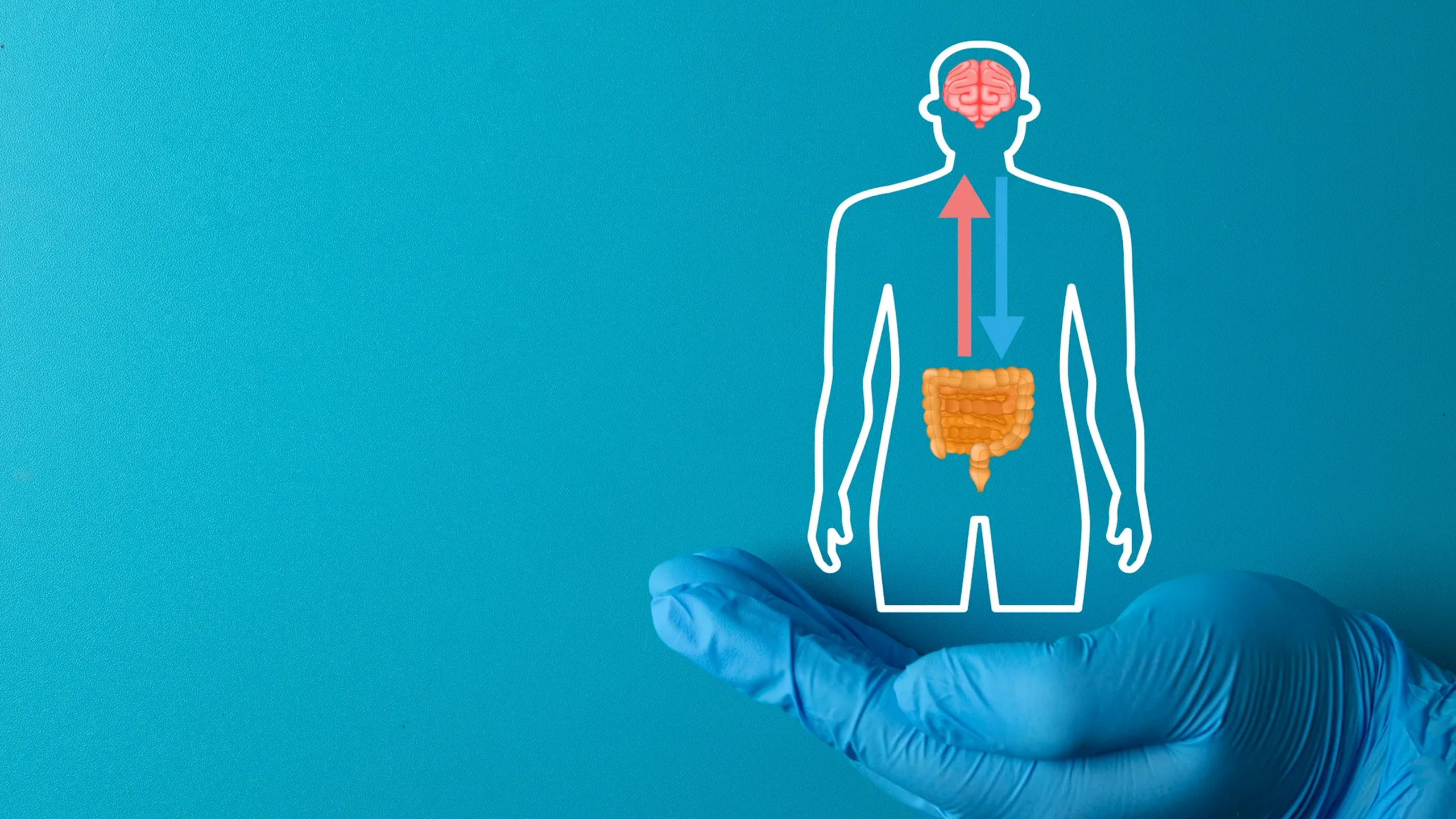
Unveiling the Gut-Brain Connection
Imagine a dynamic conversation happening within your body where the gut and brain exchange vital signals that influence mood, digestion, and overall wellness. The gut-brain axis is a complex communication network that links the central nervous system with the gastrointestinal tract, playing a crucial role in holistic health. Understanding this interplay not only empowers you to take charge of your well-being but also offers practical insights on balancing your nervous system.
In this section, you’ll discover:
- How the gut influences mental clarity and stress response
- Simple lifestyle adjustments to support balanced gut flora
- Actionable tips for integrating whole-food nutrition with mindful practices
You’ll learn foundational concepts such as the role of dietary fiber, fermented foods, and mindful stress management in nurturing a healthy gut. This guide is designed to provide clear explanations alongside actionable strategies, making it easier to implement changes in your daily routine. Whether you’re a health enthusiast in your local community or exploring holistic options nearby, these insights offer a stepping stone toward a balanced, vibrant life.
Unlocking the Dynamic Communication of the Gut and Brain
Dive into the fascinating interplay between the digestive system and our cognitive functions. The gut-brain axis is a complex network that connects the gastrointestinal tract with the central nervous system, influencing everything from mood regulation to immune response. This bidirectional communication occurs through neural pathways, hormonal signals, and immune molecules, making it a key component in understanding overall well-being.
Research in this field highlights how gut microbial balance directly impacts neurotransmitter production, which in turn can affect stress levels, sleep quality, and even decision-making processes. Key insights into maintaining this harmony include:
- Emphasizing a nutrient-rich diet with probiotics and prebiotics
- Minimizing processed foods to reduce inflammation
- Incorporating mindfulness and stress-relief activities into daily routines
By integrating this knowledge into everyday practices, individuals can actively foster a healthier gut environment, which may lead to improved mental clarity and a more resilient immune system. This holistic view is not only relevant on a personal level but also supports community health initiatives in local settings, encouraging a proactive approach to managing both digestive and mental wellness.
Top 3 Holistic Strategies to Support Your Gut-Brain Connection
- Live Blood Cell Analysis – This advanced approach examines blood cells to reveal hidden signs of inflammation and nutrient imbalances that can impact both gut and brain health. By receiving personalized feedback on cellular function, you gain actionable insights to optimize dietary choices and lifestyle adjustments, providing a clear path to better holistic wellness.
- Craniosacral Therapy – Employing gentle, precise touches along the head and spinal column, this subtle form of bodywork helps regulate the nervous system and relieve tension. By promoting a balanced flow of cerebrospinal fluid, craniosacral therapy can support healing in the gut-brain axis and enhance overall physiological harmony, making it a favorite in many local holistic health practices.
- Pulsed Electromagnetic Field Therapy (PEMF) – PEMF uses carefully calibrated electromagnetic pulses to stimulate cellular repair and improve circulation. This non-invasive technique reduces inflammation and enhances energy flow at the cellular level, supporting recovery and balance. Integrating PEMF into your wellness routine may be especially beneficial for those seeking natural, science-based methods to empower their health.
Energize Your Gut-Brain Connection with Actionable Steps
Kick off your wellness journey by embracing simple yet effective practices that support nervous system regulation and promote optimal gut health. Follow these sequential steps to unlock a balanced gut-brain axis:
- Begin with mindful breathing techniques. Spend five minutes each morning practicing deep, slow breaths to activate your parasympathetic system and reduce stress levels.
- Tip: Use a quiet corner in your home or a local park for a calm environment.
- Enhance your nutrition by integrating gut-friendly foods. Include fermented foods, whole grains, and fiber-rich vegetables in your meals to nurture beneficial gut bacteria.
- Best Practice: Prepare fresh ingredients sourced from local markets to ensure nutrient density.
- Create a consistent daily routine. Allocate time for gentle movement like yoga or a brisk walk to stimulate circulation and reinforce nervous system balance.
- Consideration: Try scheduling these sessions during early mornings or late afternoons to maximize relaxation.
- Monitor your hydration and sleep patterns. Drink plenty of water throughout the day and strive for a regular sleep schedule to support overall brain and gut wellness.
These practical steps empower you to manage stress, improve digestion, and enhance your overall holistic health.
Frequently Asked Questions
How does the gut-brain connection affect overall well-being?
The gut-brain axis plays a vital role in regulating mood, stress response, and digestive function. An imbalanced gut may lead to issues such as anxiety or digestive discomfort, emphasizing the interlinked nature of physical and mental health.
What practical strategies support a healthy gut-brain relationship?
Focusing on a nutrient-dense diet, regular physical activity, and stress management can greatly benefit your overall health. Incorporate fermented foods, mindfulness practices, and balanced hydration to maintain digestive and mental equilibrium.
Why is gut health important for mental clarity?
A well-balanced gut supports neurotransmitter production—key chemicals that influence mood and cognitive function. Prioritizing gut health can lead to improved concentration and emotional stability.
How can complementary therapies aid in enhancing holistic wellness?
Integrative practices such as craniosacral therapy, live blood cell analysis, and personalized nutrition counseling empower individuals with actionable insights. These approaches address both the physical and emotional dimensions of health.
What lifestyle modifications can improve the gut-brain axis?
Adopting routines like regular sleep patterns, mindful eating, and moderate exercise often yields noticeable benefits. Local wellness enthusiasts have embraced these changes to experience enhanced overall vitality.
Embracing a Balanced Future
A thriving gut-brain axis is more than just a trend—it’s the cornerstone of holistic well-being. As you wrap up your exploration into the interconnectedness of digestive health and mental clarity, consider how refined dietary choices, stress-management techniques, and mindful movement can manifest tangible transformations in your daily life. Reflect on these key points:
- Nutritional Awareness: Incorporate whole foods rich in fiber and antioxidants to nourish both gut flora and cognitive function.
- Stress Reduction: Practice meditation or deep-breathing exercises to soothe the nervous system and promote harmonious signaling between gut and brain.
- Active Lifestyle: Engage regularly in physical activities that enhance blood flow and stimulate overall energy within the body.
Taking these actionable steps can help you build resilience and optimize your health naturally. By applying these strategies, you are investing in a more balanced, vibrant life—one that honors the dialogue between your gut and brain. Remember, the journey to improved well-being is a series of informed choices and continuous self-care. Embrace this mindful approach, and let it empower your path to long-term vitality and inner harmony.